
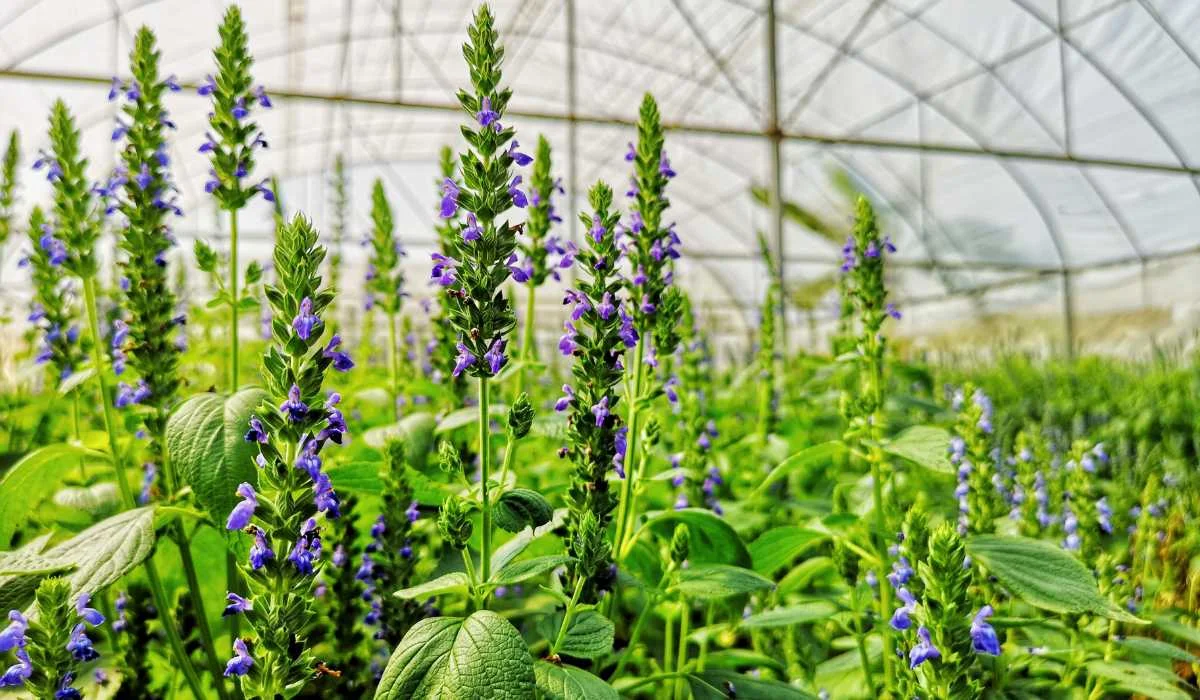
In this article, I am sharing my personal farming experience on the cultivation of chia seeds in India, how the crop is grown, the problems I faced, and why chia farming is profitable for Indian farmers. This is not theoretical knowledge but what I have learned directly from my field.
In the last few years, chia seeds have become very popular in India, especially among people who are conscious about health and fitness. Earlier, most Indians were not even aware of chia seeds, but today they are commonly used in water drinks, smoothies, weight loss diets, and even in traditional home remedies. From my own experience as a farmer, I have seen a clear rise in demand for chia seeds in local markets as well as from traders.
Chia seeds are considered a superfood because they contain omega-3 fatty acids, protein, iron, fiber, and vitamins. Although chia seeds originally came from Mexico, they have adapted well to Indian climatic conditions. Farmers in many states have started growing chia as an alternative crop because it requires low maintenance and gives good profit in comparison to input cost.
Cultivation of Chia Seeds in India – My Experience
In India, chia seeds are mainly grown in Karnataka, Madhya Pradesh, Maharashtra, and some parts of Rajasthan and Uttar Pradesh. From what I have seen, chia adapts well to both black and red soil. The color of chia seeds slightly depends on soil type:
- Chia grown in red soil is usually light brown and white
- Chia grown in black soil is mostly black and white
Chia seeds can be grown in two seasons:
- Rainy season
- Winter season
The crop duration is around 100 to 120 days, depending on weather conditions and irrigation.
How to Cultivate Chia Seeds
Chia farming is simple and does not require complex practices. That is one of the reasons many farmers are shifting towards it.
Season and Water Requirement
Cultivation of chia seeds in india mainly happens in rainy and winter seasons. It is a low-water-requirement crop and usually needs only 3–4 irrigations during its full cycle. This makes chia suitable for areas where water availability is limited.
Seed Rate and Sowing Method
Chia seeds are usually sown using the broadcasting method.

- For 1 Bigha (2500 square meters), seed requirement is 1 to 1.5 kg
- Seeds should not be sown too deep
- After broadcasting, light irrigation is necessary
Chia can be grown in black soil, red soil, and alluvial soil, but proper drainage is important.
Step-by-Step Chia Farming Process (Practical Method)
Below is the exact method I follow in my field:
- Cultivate the field properly according to your irrigation method (surface or otherwise).
- Sow chia seeds using the broadcasting method.
- Irrigate the field immediately after sowing.
- After 20–30 days, when the chia plants grow up to 20–30 cm, hire labour to remove weeds (unwanted plants).
- After weed removal, irrigate the field again.
- Continue irrigation at a gap of 20–30 days, depending on soil moisture.
- After 3–4 months, when the crop is fully mature, hire labour and start cutting the crop.
- Harvest the crop using a thresher machine.
Important Tip from Experience:
Always use the thresher machine at slow speed. If speed is high, many chia seeds get mixed with fodder and you will lose yield.
Is Chia Seeds Farming Profitable?
Based on my experience, yes, chia farming is profitable, especially when compared to the low input cost.
Yield Per Bigha
From 1 Bigha, chia cultivation can produce:
- Minimum: 300 kg
- Maximum: 500 kg
This yield comes from just 1–1.5 kg of seeds, which is one of the biggest advantages of chia farming.
Cost of Chia Cultivation (Per Bigha)
Here is the approximate cost structure based on real field conditions for cultivation of chia seeds in India :
- Sowing seeds: ₹400
- Labour cost (cutting): ₹2,000–3,000
- Harvesting cost: ₹2,000–3,000
- Fertilizers (optional): ₹2,000–2,500
Even if we consider the maximum cost, total expenses remain low.
Chia Seeds Price and Profit Calculation
Current market price of chia seeds:
- ₹190–230 per kg
Let us assume minimum production and maximum cost for safe calculation.
- Production: 300 kg × ₹200 = ₹60,000
- Total expenses: approx. ₹9,000–10,000
Net Profit:
₹40,000–50,000 per Bigha
This clearly shows why chia farming is becoming popular among farmers.
Problems I Faced in Chia Seeds Farming
No crop is perfect, and chia also has some challenges. Below are the real problems I faced:
1. Cold Burn in Winter
During heavy winter, chia plants sometimes suffer from cold burn. However, I noticed that giving water helps the crop recover.
2. Crop Duration Issue in Rainy Season
In the rainy season, chia matures around Diwali or after Diwali. Because of this delay, we cannot grow crops like lehsun (garlic) or chana.
However, after chia, we can still grow wheat or even chia again.
3. Atmospheric Conditions
Sudden weather changes sometimes affect flowering and seed setting, especially in unseasonal conditions.
Advantages of Chia Farming
From my farming experience, these are the biggest advantages:
- Nilgai (Blue Bulls), cows, and goats do not eat chia crops
- Weed removal is required only once due to good plant height
- Very low maintenance crop
- Low input cost and high return
- Suitable for farmers looking for alternative crops
Final Thoughts from a Farmer
Cultivation of chia seeds in India is a very good option for farmers who want to reduce risk and increase profit. It does not require heavy investment, chemical usage is minimal, and market demand is increasing every year. From my own experience, chia farming gives stable income with less stress compared to many traditional crops.
If grown with proper planning and understanding of season timing, chia seeds can become a reliable and profitable crop for Indian farmers.